
 ₹https://dental-clinics.avmsmiles.com/avmsmiles/jaipur/mansarovar-sector-1/avmsmiles-dental-wellness-in-mansarovar-sector-1-jaipur--4zLGjb/articles/cavity-filling-cost-why-is-the-price-so-variable-i--57b6d62d-0f18-4a95-8254-5b05b1e9222f
AVMSmiles Dental Wellness, Mansarovar Sector 1, jaipur
Dental Care Clinic in Mansarovar Sector 1, Jaipur, Rajasthan
No 14/122, Shipra Path, Nearby Amico Sports, Mansarovar Sector 1, jaipur, rajasthan - 302020
Request A Call Back
AVMSmiles Dental Wellness Social Feeds in Mansarovar Sector 1, jaipur
Cavity Filling Cost: Why Is the Price So Variable in Mansarovar Sector 1, jaipur?
Even before you think about the process of cavity filling, the first question that comes to your mind is what it will cost you. If this sounds like you, breathe out. It is actually one of the most popular questions asked by patients.
Here is what makes this tricky to answer with a single figure: cavity filling cost really does vary quite a bit from person to person. No, it is not because people are being overcharged for services rendered. Rather, the treatment for a very small hole in a front tooth is a different ball game compared to a very deep hole in a back tooth. Once you know why the pricing was arrived at, the puzzle will be solved right away.

Tooth Cavity
What Affects How Much You Pay for a Filling?
You may have heard someone talk about the amount of money they paid for a filling and how it differed from what you were told by your dentist. This is quite common. There are a few factors that quietly influence your dental filling cost, and they include:
Material used
Size of cavity
Front teeth or back teeth
The material your dentist uses makes a real difference, since some options simply cost more to buy and take longer to place.
So does the cavity itself. How big it is, which tooth it is in, and whether it is spread across more than one surface of the tooth all factor in.
Where you live matters too. Dental pricing is not uniform, and it can shift noticeably even between two clinics in the same neighbourhood.
None of this is meant to make things feel more complicated. It is really the opposite. Once you see these pieces laid out, you will understand exactly why your dentist quoted what they did, instead of just taking the number at face value.
Getting to Know the Different Types of Tooth Fillings
Not all fillings are created equal, and the material your dentist recommends is probably the single biggest thing shaping your bill. Let us walk through what is actually available.
Amalgam or Silver Fillings
This is the filling most of us grew up with, the metallic one that has been around for well over a hundred years. It is a mix of metals, including a small, safely bound amount of mercury, and it has remained popular because it simply works. It holds up beautifully under the heavy grinding pressure of back teeth.
If cost is weighing on you, amalgam fillings tend to be the friendliest option on your wallet. They are quicker to place, and the material itself is less expensive. The catch is purely cosmetic, as it is silver, not tooth-coloured, so most dentists reserve it for molars where nobody is going to see it when you smile.
Tooth-Coloured Fillings or Composite Fillings
This is probably what most people think of when they think of having fillings done. This material is coloured to blend in with your teeth, and once it is placed in the mouth, it pretty much blends in with your other teeth. Your dentist will build this filling in layers, using a special light to harden them.
Composite filling cost sits noticeably above amalgam, and there is a real reason for that gap. The material costs more, and shaping it precisely takes extra time and skill. For a lot of people, especially when the cavity is somewhere visible, that trade-off feels worth it. Nobody wants a silver flash showing up every time they laugh.
Ceramic or Porcelain Fillings
Ceramic fillings, often made as inlays or onlays, are crafted to fit your tooth almost like a custom-tailored piece. They resist staining better than composite and hold their colour beautifully over time. That level of craftsmanship comes at a price.
Glass Ionomer Fillings
These have a nice little bonus, as they release fluoride over time, which can offer some extra protection against future decay. You will often see them used for children’s teeth or smaller cavities that are not taking a lot of chewing pressure. They are gentler on the budget than composite, though they do not tend to last quite as long.
Gold Fillings
Gold sits at the very top of the price range, and by a fair margin. It is remarkably durable, and honestly, some people simply like the way it looks. But between the material cost and the specialised lab work it requires, it has become something of a rarity these days rather than the default choice it once was.

Dental Filling
Dental Filling Types and Cost, Side by Side
When you want a rough idea about their position on the cost chart:
Amalgam lies toward the cheaper side.
Glass ionomer is a little higher than that.
Composite represents a substantial improvement when it comes to aesthetic concerns.
Ceramic and gold are found at the top of the heap.
It is not quite like a linear scale of costs. Rather, they represent different combinations of cost, aesthetics, and longevity. You will get a precise estimate during consultation, where your dentist will consider the specifics of the situation after examining your cavity. The numbers you see on the Internet are just a starting point for discussion.
Going Through the Steps of the Tooth Filling Procedure
If you have no experience with cavities, it is natural to be worried about the procedure. Fortunately, tooth filling treatment is rather common, and it is done quicker than one might expect.
The procedure begins by numbing the area, so no pain should be experienced during the process. This is followed by removal of the decayed part using a drill before cleaning the cavity and ensuring there is nothing to be enclosed in the filling other than what should be. The filling is put inside the cavity and moulded to suit the shape of your teeth.
Finally, after curing and hardening the filling, the final step is to polish it and check the closing position of your teeth.
Most of this wraps up somewhere between 20 minutes and an hour, depending on how big the cavity is. And within a couple of hours, once the numbness fades, you are back to eating and drinking as normal.
How to Never Have This Talk in the First Place
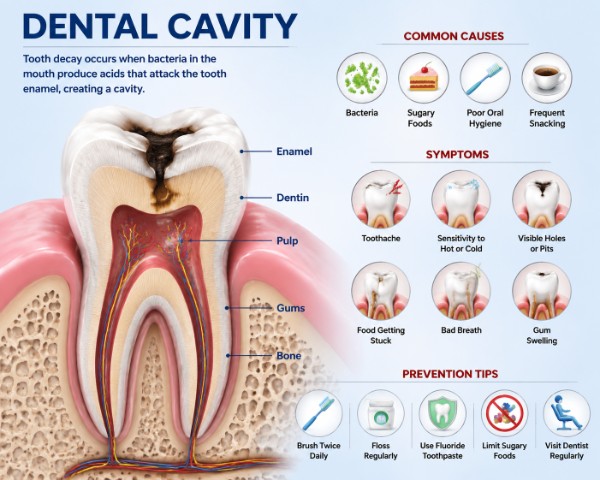
Frankly, the most economical filling is the one you do not have to get done. Simply brush twice a day, floss once, lower your consumption of sweets, and use fluoride toothpaste, and you will be well on your way.
Remember to go to the dentist regularly regardless of whether or not you experience any pain. That is where issues can be found before cavities become more serious.
Conclusion
There is no single right answer to what a cavity filling cost should be, and that is actually a good thing. It means there is almost always an option that fits both the cavity in front of you and what feels reasonable to spend.
Amalgam keeps things simple and affordable, composite blends in beautifully for a bit more, and ceramic or gold are there if durability or appearance matter more to you than price. Whatever you end up choosing, do not let cost anxiety talk you into putting it off.
A small cavity today is almost always cheaper, quicker, and a lot less stressful than the same tooth a year from now.
If you are considering cavity filling in Mansarovar Sector 1, jaipur, a dental consultation can help you understand the condition of your tooth, the suitable filling option, and the expected treatment cost.
FAQs
1. Why Is Composite Filling Cost Higher Than Amalgam?
Due to the additional time and effort required to fit the material in the cavity and form it to blend with your natural teeth in colour and shape. Besides, the price of the composite filling material is higher compared to amalgam.
2. Will the Price Increase With the Size of My Cavity?
Generally speaking, yes. Larger cavities require the use of additional material and additional time for treatment. In case your cavity affects more surfaces of your tooth, this will certainly increase its cost.
3. My Back Tooth Cannot Be Seen From the Outside. Do I Have to Pay More for the Tooth-Coloured Filling?
Depending on your preference, if aesthetics are still a concern, you can go ahead with composite fillings.
4. How Long Does the Treatment Take?
It depends on the cavity and materials used, but in general, it takes 20 minutes to 1 hour. In case you choose a ceramic filling, it may require an additional visit as ceramic fillings are prepared in the laboratory.
5. Will Insurance Cover My Filling Completely?
It depends entirely on your plan and service provider.