 ₹https://dental-clinics.avmsmiles.com/avmsmiles/jaipur/mansarovar-sector-1/avmsmiles-dental-wellness-in-mansarovar-sector-1-jaipur--4zLGjb/articles/gum-disease-symptoms-things-to-look-out-for-in-man--5fb10b64-06aa-4d65-b34d-dc63ed1d8f78
AVMSmiles Dental Wellness, Mansarovar Sector 1, jaipur
Dental Care Clinic in Mansarovar Sector 1, Jaipur, Rajasthan
No 14/122, Shipra Path, Nearby Amico Sports, Mansarovar Sector 1, jaipur, rajasthan - 302020
Request A Call Back
AVMSmiles Dental Wellness Social Feeds in Mansarovar Sector 1, jaipur
Gum Disease Symptoms: Things to Look Out For in Mansarovar Sector 1, jaipur
Gum Disease
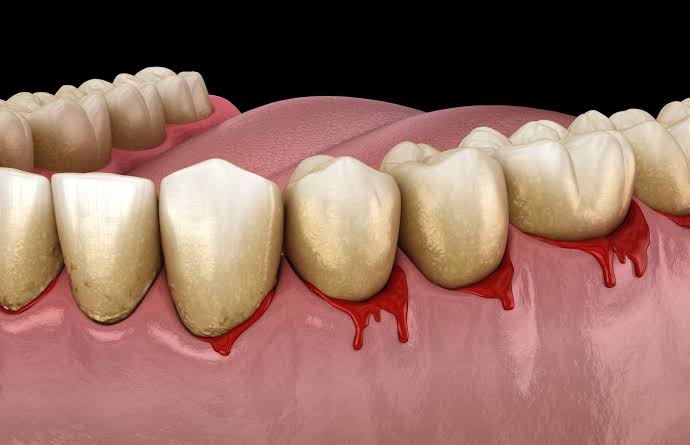
It is early morning, and while you are brushing your teeth, you notice some pink colour in the sink. Maybe your gums have been a little swollen lately, but it is easy to assume it is not important. There was no harm done and no pain, so what is the problem? That slight bleeding is often one of the first signs of gum disease.
Gum disease is more prevalent than most people realise, and it tends not to make its presence known through loud or clear warning signs. However, the positive side is that when gum disease is caught early, it is actually one of the easier conditions to treat in dentistry.
Early Gum Disease Symptoms
Ask the average person what gum disease means, and they would probably picture loose teeth or something similar. In reality, gum disease symptoms tend to appear in much milder forms. These include:
Gums bleeding when you brush or floss
Redness or puffiness along the gumline
A bit of tenderness if you press on the gums
Breath that stays off, even right after brushing
Gums that look like they have pulled back slightly, making teeth appear a touch longer than before
None of this means you are headed for trouble. When caught at this point, it is almost always fixable with a bit more attention to your oral care routine.
Gingivitis Symptoms: The Stage Before Things Get Serious
Gingivitis is the name for this early stage, and it is by far the most common form of gum disease. It is basically inflammation caused by plaque sitting along the gumline for too long. The signs overlap with those listed above, but a few things specifically point to gingivitis:
Gums that look redder or puffier than their normal pink
Mild bleeding, especially when you bite into something crunchy or hard
Some soreness, but nothing sharp
Teeth that are still firmly in place, with no looseness
What is genuinely good news here is that gingivitis has not touched the bone or deeper tissue yet. A thorough professional cleaning/scaling and a better brushing habit can undo it completely. This is really the moment to act, while it is still this simple.
The Consequences of Leaving Gingivitis Untreated
If you let this condition develop further, it can change into a totally new condition called periodontitis. When you reach this stage, the infection will not be confined to only the gums but can also affect the supporting structures of your teeth. That is when things stop being easy to dismiss:
Gums separating from the teeth, leaving little pockets where bacteria settle in
Breath or taste that just will not clear, no matter what you do
Teeth that feel a little loose or shift when you bite
Pus around the gumline
A bite that suddenly feels slightly off, like your teeth are not lining up the way they used to
Brushing alone will not undo this stage. Once the bone is involved, you need actual periodontal disease treatment to stop it from progressing and hold on to what is still healthy.

Sign of Gum Disease
Why Do Gums Swell in the First Place?
Swelling is one of those symptoms you cannot really miss. It happens because your immune system is reacting to bacteria building up near the gumline. Inflammation is doing exactly what it is supposed to, just not in a way that feels pleasant.
When it comes to swollen gums treatment, the treatment usually depends on the cause:
Getting a professional cleaning to clear out deposits such as plaque and calculus
Tightening up how consistently you brush and floss
Rinsing with a mouthwash, only if advised
Ruling out other causative agents, like a poorly fitted filling or crown, or even a vitamin deficiency
If the swelling fades once you clean up your routine, that is a good sign. If it keeps coming back or shows up with pain, a solid treatment plan with follow-up is required.
What Is Actually Causing Gum Disease?
Gum disease symptoms and treatment both trace back to a handful of usual suspects, so it is worth knowing what you are up against:
Plaque: Within seconds of brushing your teeth, a layer of pellicle is formed. This gets matured to form plaque. Plaque is the root cause of future irritants such as calculus and tartar. Missing out on oral hygiene habits or regular scaling can bring you closer to gum disease.
Smoking: This raises your risk noticeably, and it also makes healing slower once damage has already happened.
Hormones: Pregnancy, puberty, and menopause can all shift how sensitive your gums are, making them more reactive than usual.
Certain medications: Some cut down on saliva production, and since saliva helps rinse bacteria away naturally, less of it leaves your gums more exposed.
Health conditions: Diabetes especially has a strong, well-studied connection to gum disease, mostly because it affects your body's ability to fight infection.
Genetics: Some people are simply more prone to it, even when their oral hygiene is genuinely solid.
Gum Disease Treatment: What It Actually Involves
There is no single fix here, as gum disease treatment depends entirely on how far things have progressed.
Supragingival Scaling
For gingivitis, a professional cleaning combined with better habits at home is often enough on its own to reverse it completely.
Subgingival Scaling and Root Planing
As soon as the disease becomes periodontitis, deep cleaning involves the removal of tartar beneath the gums from the root surfaces and smoothing out areas where bacteria like to live. It is normally the first stage in the treatment of periodontal diseases.
Antibiotics
At times, antibiotics may be added to the procedure for treating an infection.
More Involved Periodontal Disease Treatment
For advanced cases, things like flap surgery to clean out deep pockets, or bone and tissue grafts to rebuild what has been lost, might come into the picture. The idea here is not to undo everything but rather to prevent further damage and preserve what remains.
Staying Ahead of the Problem
Regardless of where you are in the process, routine cleaning and examination is how you will keep gum disease at bay after it is under control.

Gum Disease Warning Sign
What You Can Do on Your Own
None of this substitutes for professional attention, but daily routines really do make a difference:
Brush two times per day using a right-bristled brush and be sure to get along the gumline
Floss daily, as brushing alone will not get to all the places
If your dentist suggests it, use an antibacterial or fluoride rinse
Reduce use of tobacco products as they seriously hinder healing
Visit your dentist regularly, even when no problem seems to exist
When Is It Time to See a Dentist?
The lack of pain in your mouth does not necessarily mean that you should not make an appointment to see a dentist. Bleeding gums, foul smell in your mouth, gum recession, and teeth loosening are all good reasons to have yourself examined sooner rather than later.
The earlier the disease is detected, the easier it is to treat it, and the chances that it will be completely reversible are quite high.
Conclusion
Gum disease symptoms often begin with something very trivial and easy to overlook, like a bit of bleeding or slight swelling that occurs from time to time. However, paying attention to such symptoms can make a world of difference.
In some cases, all it takes to handle the problem is to brush your teeth properly or go for a cleaning procedure you have been postponing. In others, you will need a special treatment plan addressing the same.
If you notice gum disease symptoms in Mansarovar Sector 1, jaipur, do not ignore them simply because there is no pain. Early attention can make treatment simpler and help protect your gums and teeth.
Book your appointment now and get rid of the typical trivial gum bleeding problem.
FAQs
1. Is It Possible to Cure Gum Disease Once It Occurs?
Yes, if it is still at the gingivitis stage. Once the disease reaches periodontitis and affects the bones, it can only be stabilised. It can be very difficult to restore it completely at times.
2. Should I Be Concerned If My Gums Begin to Bleed When Brushing and There Is No Pain?
No, you should not be afraid, but you should take it into account. Bleeding gums without any pain can be an early symptom of gum disease and indicate that the inflammatory process has started.
3. Can Swollen Gums Be Treated at Home or Do I Need to Visit a Dentist?
Usually, localised inflammation or single-tooth gum swelling can go away once you start brushing your teeth better. However, in case of persistent swelling or its presence along with pain and gum bleeding, it is better to visit a dentist.
4. What Distinguishes Periodontal Disease Treatment From Ordinary Cleaning?
An ordinary cleaning does not reach beneath the gumline. Periodontal disease treatment is directed at reaching below the gumline to clean the root surfaces and fight the infection.
5. What Is the Difference Between Gingivitis and Periodontitis?
Gingivitis is the early and reversible stage, as it is mainly inflammation. Periodontitis is further along and involves the bone and tissue holding your teeth in place, so it needs more hands-on treatment.