
 ₹https://dental-clinics.avmsmiles.com/avmsmiles/-in-jaipur/-in-lalkothi/avmsmiles-dental-wellness-in-lalkothi-jaipur--5nou0j/articles/bleeding-gums-causes-treatment-and-when-to-seek-professional-help-in-lalkothi-jaipur--a589d6a5-79ec-4655-a007-2c3943ddb8a9
AVMSmiles Dental Wellness, Lalkothi, jaipur
Dental Care Clinic in Lalkothi, Jaipur, Rajasthan
No 113/114/115/A, Apex Mall, First Floor, Sawai Mansingh Road, Tonk Road, Above Axis Bank, Lalkothi, jaipur, rajasthan - 302015
Request A Call Back
AVMSmiles Dental Wellness Social Feeds in Lalkothi, jaipur
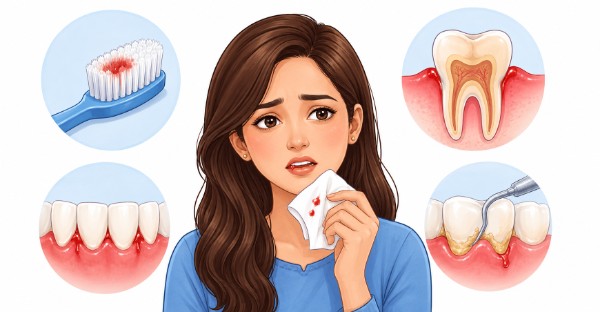
Bleeding Gums: Causes, Treatment, and When to Seek Professional Help in Lalkothi, jaipur
Have you ever noticed blood while brushing your teeth?
It can be easy to ignore bleeding gums, especially when there is no pain. However, healthy gums should not bleed regularly. Bleeding may happen due to something as simple as brushing too aggressively, but it can also be an early sign of gum inflammation or gum disease.
Fortunately, the underlying cause can often be identified and treated before it develops into a serious problem. Instead of worrying at the sight of blood, it is important to understand why your gums are bleeding and when you should consult a dentist in Lalkothi, jaipur.
What Causes Bleeding Gums?
There is no single cause of bleeding gums. Your gums may bleed because of a problem inside your mouth or, in some cases, because of an underlying health condition.
One of the most common causes is plaque buildup around the teeth and gumline. Plaque is a sticky layer containing bacteria that naturally forms on your teeth. When it is not removed properly, it can irritate and inflame the gums.
The earliest stage of gum disease is called gingivitis. If left untreated, it can progress to periodontitis, a more serious condition that affects the tissues and bone supporting the teeth.
Other possible causes of bleeding gums include:
Using a hard-bristled toothbrush
Brushing too aggressively
Incorrect or irregular flossing
Poor oral hygiene
Plaque and tartar buildup
Improperly fitted dental appliances
Gum or tooth infections
Hormonal changes
Blood-thinning medications
Nutritional deficiencies
Smoking or tobacco use
Treating bleeding gums without identifying the actual cause may provide only temporary relief. A proper dental evaluation can help determine the right treatment.
Dentist

Bleeding Gums While Brushing: Is It Normal?
Many people wonder, “My gums bleed whenever I brush. Should I stop brushing that area?”
Avoiding the affected area can make the problem worse, especially if plaque and tartar buildup are causing the bleeding. Gentle but regular cleaning is essential for maintaining healthy gums.
You may notice slight bleeding when you restart flossing after not flossing for several days. However, gums that bleed frequently while brushing or flossing should not be considered normal.
Think of bleeding as a signal from your gums that something needs attention.
How Are Bleeding Gums Related to Gum Disease?
Healthy gums are generally firm and do not bleed easily. When plaque accumulates around the gumline, the surrounding tissues can become red, swollen, tender, and more likely to bleed.
Gingivitis is the earliest stage of gum disease. At this stage, the condition can often be managed with professional cleaning and improved daily oral hygiene.
If the inflammation is allowed to continue, gingivitis may progress to periodontitis. This advanced form of gum disease can damage the supporting tissues and bone around the teeth, eventually contributing to loose teeth or tooth loss.
Other signs of gum disease may include:
Red or swollen gums
Persistent bad breath
Tender gums
Increased tooth sensitivity
Receding gums
Pain while chewing
Loose teeth in advanced cases
Pus around the teeth or gums
If bleeding gums occur along with any of these symptoms, consult a dentist before the condition progresses.

Bleeding Gums
Treatment for Bleeding Gums
The appropriate treatment for bleeding gums depends on the underlying cause.
If plaque and tartar buildup are responsible, your dentist may recommend professional dental scaling. Once these deposits are removed, maintaining good oral hygiene at home becomes especially important.
1. Brush Gently Twice a Day
Use a soft-bristled toothbrush and gentle circular movements. Applying excessive pressure does not clean your teeth more effectively and may injure your gums.
2. Clean Between Your Teeth
A toothbrush cannot effectively clean every area between the teeth. Use dental floss or another interdental cleaning method recommended by your dentist.
3. Do Not Stop Cleaning Because of Bleeding
If plaque is causing the inflammation, avoiding the affected area may allow more plaque to accumulate. Continue cleaning carefully and consistently.
4. Schedule Regular Dental Checkups
Regular dental appointments help identify gum problems at an early stage. Your dentist can recommend how frequently you need professional cleaning based on your oral health.
5. Follow Your Dentist’s Treatment Advice
If the bleeding is related to medication, an infection, a dental appliance, nutrition, or another health condition, additional treatment or medical evaluation may be necessary.
Do not stop taking prescribed medication without consulting the doctor who prescribed it.
When Should You Visit a Dentist?
Consider scheduling a dental appointment if:
Your gums bleed frequently
Bleeding continues despite improving your brushing and flossing
Your gums are red, swollen, or tender
You have persistent bad breath
Your gums appear to be receding
Your teeth feel loose
You notice pus or other signs of infection
You experience pain while chewing
The bleeding is heavy or difficult to stop
You have other unexplained symptoms
Seek prompt medical attention if the bleeding is severe, does not stop, or is accompanied by unusual bruising or bleeding elsewhere in the body.
Can Bleeding Gums Be Treated Without Surgery?
In many cases, bleeding gums can be treated without surgery.
The first step is identifying the cause of the inflammation. If plaque or tartar buildup is responsible, professional cleaning combined with improved oral hygiene may be enough to control the problem.
For advanced gum disease, the required treatment will depend on the extent of inflammation and damage. Your dentist or periodontist will assess the condition and recommend the appropriate periodontal treatment.
Early diagnosis is important because gum problems are generally easier to manage before they become advanced.
Conclusion
Bleeding gums may be one of the earliest signs that something is wrong with your oral health. Although it may seem like a minor inconvenience, it should not be repeatedly ignored.
Sometimes, improving your brushing technique or undergoing professional cleaning may resolve the problem. In other cases, bleeding gums may indicate gum disease or another health concern requiring professional attention.
Understanding the difference starts with a dental examination in Lalkothi, jaipur.
Book an appointment today for a professional evaluation of your bleeding gums.
Frequently Asked Questions
1. Is bleeding while brushing always a sign of gum disease?
Not always. Aggressive brushing, incorrect flossing, plaque buildup, certain medications, hormonal changes, and other factors can cause bleeding. However, recurring bleeding should be evaluated because gum disease is one of the most common causes.
2. How can I stop bleeding gums?
If plaque is causing the bleeding, improving your oral hygiene may help. Use a soft-bristled toothbrush, brush gently twice daily, and clean between your teeth regularly. If the bleeding continues, visit a dentist to identify the underlying cause.
3. Should I stop brushing if my gums are bleeding?
Usually, no. Avoiding brushing may allow more plaque to accumulate and worsen the inflammation. Continue brushing gently with a soft-bristled toothbrush and consult a dentist if the bleeding persists.
4. How long does it take for bleeding gums to heal?
The healing time depends on the cause and severity of the condition. Mild inflammation may improve after professional cleaning and consistent oral care. Persistent or advanced gum problems may require additional treatment, so there is no fixed recovery period for everyone.
5. Can a vitamin deficiency cause bleeding gums?
Certain nutritional deficiencies may contribute to gum bleeding. However, you should not assume that a vitamin deficiency is the cause without a professional evaluation. A dentist or doctor can help identify the underlying reason and recommend the appropriate treatment.