
 ₹https://dental-clinics.avmsmiles.com/avmsmiles/-in-jaipur/-in-mansarovar-sector-1/avmsmiles-dental-wellness-in-mansarovar-sector-1-jaipur--4zLGjb/articles/sensitive-teeth-treatment-why-are-you-feeling-pain-in-your-teeth-in-mansarovar-sector-1-jaipur--6444b4db-0629-4118-ab4e-4642af4d23d7
AVMSmiles Dental Wellness, Mansarovar Sector 1, jaipur
Dental Care Clinic in Mansarovar Sector 1, Jaipur, Rajasthan
No 14/122, Shipra Path, Nearby Amico Sports, Mansarovar Sector 1, jaipur, rajasthan - 302020
Request A Call Back
AVMSmiles Dental Wellness Social Feeds in Mansarovar Sector 1, jaipur
Sensitive Teeth Treatment: Why Are You Feeling Pain in Your Teeth in Mansarovar Sector 1, jaipur?
Teeth Sensitivity
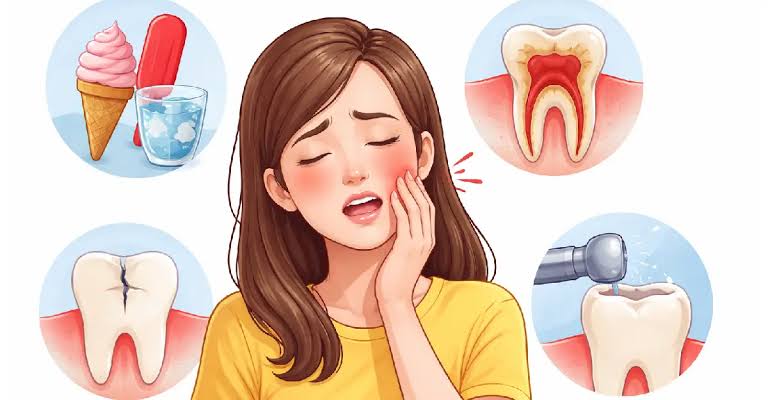
Have you ever experienced a situation where you feel pain in your tooth after drinking cold water or eating ice cream? If you are dealing with sensitive teeth in Mansarovar Sector 1, jaipur, you are not alone.
Sensitive teeth are among the most common problems that dentists hear about every day. The good news is that this is also among the easier problems to tackle.
Consider it as a messenger. This is how your tooth tells you that there has been some kind of change. When you figure out what kind of change has occurred, the problem can be sorted out.
How Sensitive Teeth Feel
It is almost always described by most people in the same way: sudden and sharp pain that comes without any notice and goes just as quickly. It usually occurs due to some trigger, such as cold air, a hot beverage, sweet food, or even while brushing a bit too hard. It is usually brief pain.
If you are mostly bothered by tooth sensitivity to cold, you are in very good company, as cold is by far the most commonly reported trigger. But a lot of people also deal with tooth sensitivity to hot and cold together, and that combination can turn something as simple as lunch into a bit of an obstacle course.
So, What Is Actually Going On?
In simple terms, your teeth have a protective outer shield, the enamel covering the crown, and a similar layer called cementum covering the root. Just underneath that sits a layer called dentin, and dentin is riddled with microscopic tubules that run straight down to the nerve at the centre of your tooth.
As long as that outer shield stays intact, those tubules are sealed off and everything is fine. But once the shield wears down, or your gums pull back and expose the root, those tubules basically become open doorways. Temperature, pressure, and even acidity can travel right through and reach the nerve. That is the exact moment you feel the zing.
Common Causes of Tooth Sensitivity
Most people assume sensitive teeth are just something that comes with age, but actually, that is only part of the story. There are several distinct causes of tooth sensitivity, and figuring out which one applies to you is really what determines the right treatment.
Brushing Too Hard
This one surprises people every time. However, instead of increasing effectiveness, this practice ends up working against you since it causes wear of the enamel. Going for a softer brush and gentle brushing usually yields better results.
Gum Recession
Whenever there is any gum recession due to vigorous brushing, ageing, or gum disease, it exposes the underlying root surface. And since roots do not have that armour covering them, they are naturally more reactive to everything.
Tooth Decay or a Cracked Tooth
Dental cavities or even micro-cracks in your teeth will expose the dentin. This means the pain will be associated with a single tooth, unlike the case of widespread mouth ache due to general enamel erosion. Therefore, if only one of your teeth hurts, you should pay special attention to it.
Clenching or Bruxism
In case of teeth grinding during the night, you lose some enamel on your teeth. This makes your tooth enamel wear down and get flattened each night due to grinding and clenching.
Acidic Foods and Drinks
Citrus fruits, fizzy drinks, wines, salad dressings made of vinegar, and other acidic foods and drinks can erode enamel. But since this process is very slow, you may not feel anything apart from sudden tooth sensitivity.
Recent Dental Procedures
After having fillings, cleanings, or a tooth whitening procedure, you may experience some degree of sensitivity in your teeth for several days or weeks. This is a totally normal thing.
Tooth Whitening Products
Whitening procedures, particularly strong at-home kits that have high levels of peroxide, may cause sensitive teeth temporarily.

Sensitive Tooth Cause
Tooth Sensitivity Causes and Treatment: How They Connect the Dots
You might be wondering why there is not just one universal fix. The reason is pretty straightforward: sensitive teeth treatment works best when it is aimed at the actual root cause, not just the symptom. Sensitivity from grinding needs a different treatment plan than sensitivity from acid erosion or receding gums.
Sensitive Teeth Treatment Options That Actually Work
Here is the reassuring part: most cases respond really well to fairly simple, non-invasive treatment. Below is what is recommended, roughly in order from easiest to more involved.
Desensitizing Toothpaste
Often the very first step to try, and there is good reason why. This kind of toothpaste contains substances such as potassium nitrate or stannous fluoride that either inhibit the transmission of nerve signals or block off the tubules of the dentine.
Use of a Soft Toothbrush
When you use an aggressive tooth-brushing method, simply changing this technique on its own can do wonders within a matter of a few weeks. You need to combine it with light brushing and holding the toothbrush gently.
Fluoride Professional Treatment
This procedure involves applying a higher dose of fluoride varnish or fluoride gel to the sensitive areas. Fluoride will be useful for the repair and protection of the tooth enamel.
Dental Bonding or Sealant
When the sensitivity is caused by root exposure or enamel wear on a small portion of the tooth, a dental bonding procedure is what is needed. It seals off the sensitive area.
Gum Grafting
If gum recession has exposed a significant amount of root surface, a graft can cover that area for long-term protection. This is generally reserved for more advanced cases of recession, not everyday sensitivity.
Night Guards
If you grind your teeth, causing sensitivity, wearing a custom-made mouth guard that prevents further wear when sleeping can help preserve your enamel.
How to Reduce Tooth Sensitivity at Home
There are just a couple of practices that actually work for how to reduce tooth sensitivity at home:
Brush with a soft-bristle toothbrush and do not brush hard.
Consume less acidic food and drink, or rinse your mouth after doing so.
Do not brush immediately after consuming acidic products since your enamel becomes softer temporarily.
Stick with a desensitizing toothpaste consistently, not just when the pain flares up.
Keep up with regular dental checkups so small issues get caught while they are still small.
Time to Visit a Dental Professional
Some occasional sensitivity does not necessarily mean anything serious. However, if you feel pain when eating, it is rather intense or lasts longer than a couple of seconds, or is localised in only one tooth, then there might be a reason to consult with a dentist.
Such symptoms could indicate the presence of either decay or infection or some other problem that cannot be solved by changes in your routine. In any case, detecting the problem at an early stage will help to resolve it easily.
Conclusion
The problem of teeth sensitivity can be quite a nuisance, especially when you realise that you are avoiding your favourite food because of it. However, the best thing is that as soon as you learn the cause of your problem, everything becomes quite easy for you. It can be as easy as changing your toothpaste or even brushing your teeth differently.
If you are experiencing sensitive teeth in Mansarovar Sector 1, jaipur, understanding the possible cause and getting the right treatment can help you manage the discomfort and protect your teeth.
Book your appointment now to get rid of tooth sensitivity.
FAQs
1. Is Tooth Sensitivity a Serious Disease?
No, it usually happens as a result of routine factors like wearing down of the enamel or improper teeth brushing. However, if it is very intense, persistent, or affecting just one tooth, it must be discussed with a professional.
2. How Soon Do I See Results With Desensitizing Toothpaste?
It may take from two to four weeks of consistent use to see results. It does not provide an immediate effect, but it normally works in most cases.
3. Can Sensitivity Disappear Without Treatment?
It can, sometimes due to temporary causes, such as fillings and bleaching. If it is caused by permanent conditions, such as teeth grinding, some treatment is normally necessary to improve the situation.
4. Why Are My Teeth Sensitive to Both Hot and Cold Food?
This is often the case when there is either enamel or gum recession, which allows both extremes to affect the nerve. The solution is using desensitizing toothpaste and discussing it with a dentist.
5. Do I Need to Give Up Coffee and Juice Since My Teeth Are Sensitive?
There is no need for you to give them up. Instead, rinse after consumption and avoid immediate brushing.