
 ₹https://dental-clinics.avmsmiles.com/avmsmiles/-in-jaipur/-in-mansarovar-sector-1/avmsmiles-dental-wellness-in-mansarovar-sector-1-jaipur--4zLGjb/articles/wisdom-tooth-pain-symptoms-common-signs-causes-treatment-when-to-see-a-dentist-in-mansarovar-sector-1-jaipur--1e5fe179-db74-4c8d-808a-5bf1aab5daa0
AVMSmiles Dental Wellness, Mansarovar Sector 1, jaipur
Dental Care Clinic in Mansarovar Sector 1, Jaipur, Rajasthan
No 14/122, Shipra Path, Nearby Amico Sports, Mansarovar Sector 1, jaipur, rajasthan - 302020
Request A Call Back
AVMSmiles Dental Wellness Social Feeds in Mansarovar Sector 1, jaipur
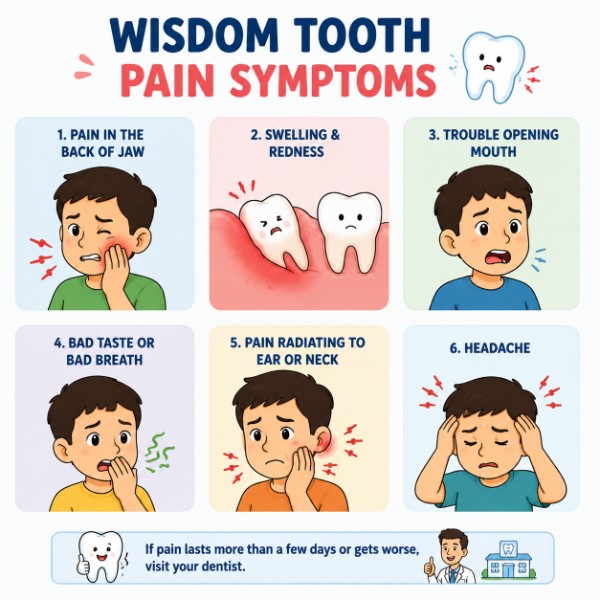
Wisdom Tooth Pain Symptoms: Common Signs, Causes, Treatment & When to See a Dentist in Mansarovar Sector 1, jaipur
Have you ever felt a sudden pain at the back of your jaw or discomfort while chewing that you have never experienced before? It could be a sign that your wisdom teeth are beginning to emerge.
Wisdom tooth pain symptoms often appear unexpectedly, and many people ignore them until the discomfort starts affecting daily activities like eating, speaking, or opening the mouth.
Wisdom teeth are the final set of molars that usually appear between the late teenage years and mid-twenties. By this stage, the jaw has often stopped growing, which means there may not be enough space for these teeth to come in properly. This lack of space is one of the main reasons wisdom teeth create problems.
What Does Wisdom Tooth Pain Feel Like?
Wisdom tooth pain does not always appear as a single symptom. It usually develops through a combination of signs that gradually become noticeable.
Common ways wisdom tooth pain feels include:
A dull, aching pain at the back of the jaw
Discomfort or pain while biting, especially on one side
Difficulty opening the mouth fully or a feeling of jaw stiffness
Pain that spreads towards the ear, temple, or neck on the same side
These symptoms may occur due to normal wisdom tooth eruption, an impacted tooth, or irritation of the surrounding gum tissue. Occasional discomfort may not always be serious, but persistent pain should not be ignored.
Impacted Wisdom Tooth Symptoms
An impacted wisdom tooth is a tooth that does not have enough space to erupt properly. It may remain partially trapped under the gum, grow sideways, or push against neighbouring teeth.
Unlike normal tooth eruption pain, impacted wisdom tooth symptoms are often caused by pressure, trapped food, and irritation around the tooth.
Common Signs of an Impacted Wisdom Tooth
A deep, dull pain in the jaw
Swelling or tenderness around the back teeth
Difficulty opening or closing the mouth
Bad taste or unpleasant smell coming from the back of the mouth
Pain that gradually becomes worse over several days
Many people assume that a wisdom tooth cannot cause problems if it is not visible. However, an impacted tooth can create significant discomfort even when it remains completely covered by gum tissue.
Wisdom Tooth Infection Symptoms
When bacteria and food particles become trapped around a partially erupted wisdom tooth, an infection can develop. This condition is commonly known as pericoronitis.
Wisdom tooth infection symptoms may include:
Constant throbbing pain
Swelling in the gum or cheek area
Redness around the affected tooth
Persistent bad breath or unpleasant taste
Pain while swallowing
Sore throat on the same side as the affected tooth
Fever or swollen lymph nodes in severe cases
A wisdom tooth infection usually does not resolve on its own. If multiple symptoms appear together, it is important to consult a dentist for proper evaluation and treatment.
Wisdom Tooth Swelling: Causes and Warning Signs
Wisdom tooth swelling can occur in different areas, including:
The gum around the emerging tooth
The cheek
The jaw area
Swelling usually happens because:
The gum tissue around a partially erupted tooth becomes irritated
Bacteria and food become trapped under the gum flap
The growing tooth puts pressure on nearby structures
Mild swelling during eruption may not always be a concern. However, swelling that increases in size, spreads towards the cheek or neck, or occurs with fever may indicate an infection and requires dental attention.
Common Causes of Wisdom Tooth Pain
Several factors can contribute to wisdom tooth discomfort.
1. Lack of Space in the Jaw
The jaw often stops developing before wisdom teeth appear. As a result, there may not be enough room for the teeth to grow normally.
2. Partial Eruption
When only part of a wisdom tooth emerges, a small flap of gum tissue can form around it. This area can trap food particles and bacteria, leading to irritation or infection.
3. Angled Tooth Growth
Wisdom teeth do not always grow straight. They may tilt sideways or push against nearby teeth, causing pressure and pain.
4. Gum Problems Around the Tooth
Areas around impacted wisdom teeth can be difficult to clean, increasing the risk of gum disease, infections, or cyst formation.
When Should You See a Dentist for Wisdom Tooth Pain?
Occasional discomfort while a wisdom tooth is coming in may not always require treatment. However, you should schedule a dental appointment if you experience:
Pain that continues or becomes worse after a few days
Increasing swelling or swelling with fever
Difficulty opening your mouth or swallowing
Persistent bad taste or bad breath
Pain that affects eating, sleeping, or daily activities
Early diagnosis can help prevent more serious complications.
Wisdom Tooth Removal: When Is It Necessary?
Not every wisdom tooth needs to be removed. If a wisdom tooth grows correctly, has enough space, and can be cleaned properly, it may remain without causing problems.
A dentist may recommend wisdom tooth removal if:
The tooth is impacted and cannot erupt properly
There are repeated infections or swelling
The tooth causes pain or damages nearby teeth
A cyst develops around the tooth
The tooth is difficult to clean and has a high risk of future problems
Wisdom tooth extraction is a common dental procedure. Most people recover within a few days to a week with proper aftercare, rest, and a soft-food diet.
How to Manage Wisdom Tooth Pain at Home
While waiting for a dental appointment, these simple steps may help reduce discomfort:
Rinse your mouth gently with warm salt water
Apply a cold compress outside your jaw to reduce swelling
Eat soft foods and avoid chewing on the painful side
Brush carefully around the affected area to maintain cleanliness
Use over-the-counter pain medication if suitable for you
These methods may provide temporary relief but cannot treat underlying problems like infection or impaction.
Conclusion
Wisdom tooth pain can start as mild discomfort and quickly become difficult to ignore. While some wisdom teeth grow normally without causing problems, others may require professional treatment.
Recognising wisdom tooth pain symptoms early and seeking dental advice at the right time can help prevent infections, severe pain, and complications.
If you are experiencing wisdom tooth pain in Mansarovar Sector 1, jaipur, getting the problem evaluated at the right time can help you understand whether monitoring, treatment, or removal is needed.
Book your dental appointment today and get expert care for wisdom tooth removal.
Frequently Asked Questions (FAQs)
1. What Should I Do When I Feel Pain in My Wisdom Tooth?
If the pain is severe, continues for several days, or occurs with swelling, fever, or difficulty swallowing, you should consult a dentist.
2. Can an Impacted Wisdom Tooth Cause Pain Without Coming Through the Gum?
Yes. An impacted wisdom tooth can cause pain due to pressure on surrounding teeth, jaw structures, and gum irritation even before it becomes visible.
3. Can Swelling Around a Wisdom Tooth Indicate an Infection?
Not always. Mild swelling can occur during normal eruption. However, swelling that spreads, becomes severe, or occurs with fever may indicate infection.
4. Should All Wisdom Teeth Be Removed?
No. Wisdom teeth that grow properly, have enough space, and remain healthy may not need extraction. Removal is usually recommended for impacted teeth, repeated infections, or damage to nearby teeth.
5. How Long Does Recovery Take After Wisdom Tooth Extraction?
Most people experience improvement within a day or two and recover fully within about a week. Recovery time may vary depending on the position and complexity of the tooth removal.